

Finishing your basement is one of the most effective ways to add usable square footage and long-term value to your home. But before you start choosing paint colors, flooring, or layout designs, there’s one critical step that cannot be overlooked: moisture control and proper insulation.
For homeowners considering a Basement Remodel in Loveland, understanding how Colorado’s climate, soil conditions, and building codes affect below-grade spaces is essential. Done correctly, moisture management protects your investment. Done incorrectly, it can lead to mold, warped flooring, and costly repairs.
Here’s what every homeowner should know before starting a Basement Finishing project in Loveland CO.
Why Moisture Matters in Basement Finishing
Basements sit below ground level, meaning they are naturally more vulnerable to moisture intrusion. Even if you’ve never seen standing water, subtle signs like musty odors, efflorescence (white powder on concrete), or minor damp spots indicate that moisture is present.
Moisture can come from:
- Improper exterior drainage
- Foundation cracks
- High groundwater levels
- Condensation from temperature differences
- Poor insulation and air sealing
Before beginning any Basement Remodel Loveland project, these issues must be identified and resolved. Covering concrete walls with framing and drywall without addressing moisture first can trap water behind finishes, leading to mold growth and structural damage.
Step 1: Fix Exterior Drainage First
Moisture control starts outside your home.
Proper grading should slope away from the foundation. Gutters and downspouts should direct water at least several feet away from the house. In some cases, additional drainage systems may be necessary.
If your basement has experienced past water intrusion, installing a sump pump (with battery backup) may be a smart preventative measure. This is especially important in areas with higher water tables or seasonal snowmelt.
Addressing exterior water issues first ensures your Basement Finishing Loveland CO project starts on solid ground.
Step 2: Seal and Protect the Concrete
Concrete is porous, which means it can absorb and transmit moisture. Before framing begins, walls and floors should be properly sealed.
Common protective steps include:
- Applying a vapor barrier or waterproof membrane to foundation walls
- Sealing visible cracks
- Installing a subfloor system if needed
- Air sealing rim joists and penetrations
Skipping this step increases the risk of flooring damage later — especially with laminate, hardwood, or carpet installations.
Step 3: Choose the Right Insulation for Colorado’s Climate
Insulation plays a major role in both moisture control and comfort.
Loveland experiences cold winters and fluctuating temperatures. Insulation must prevent condensation while maintaining energy efficiency.
The most effective options for below-grade walls include:
- Rigid foam insulation
- Spray foam insulation
These materials resist moisture absorption and provide a thermal barrier. Traditional fiberglass batts placed directly against concrete can trap moisture and create mold conditions.
Proper insulation improves energy efficiency, stabilizes basement temperatures, and protects your future flooring investment.
How Moisture Impacts Basement Flooring
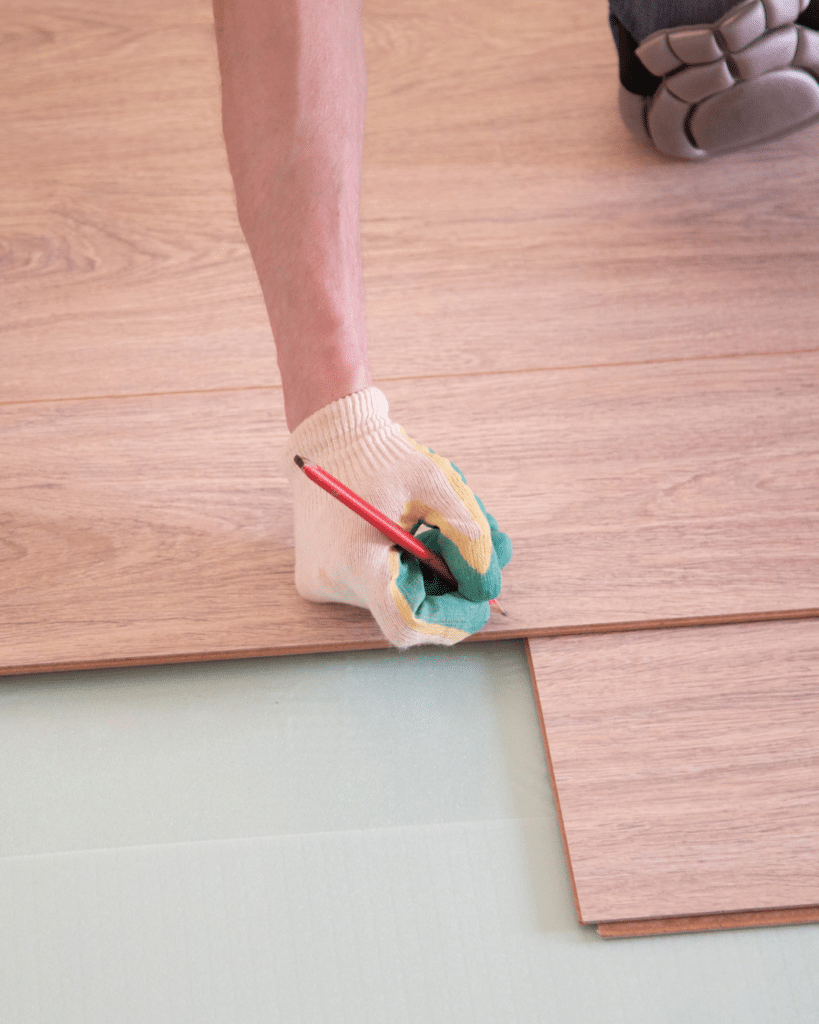
Flooring is one of the most important finishing decisions in a basement remodel — and moisture levels directly impact which materials are appropriate.
Here’s how common flooring types perform in basements:
One of the most popular choices for Basement Finishing Loveland CO, LVP is water-resistant, durable, and stable under temperature swings. It’s ideal for entertainment spaces, rec rooms, or guest areas.
Tile Flooring
Tile is highly moisture-resistant and works well in basement bathrooms or wet bar areas. However, it can feel cold without proper subfloor insulation.
Laminate is budget-friendly and visually appealing, but it must be installed over a moisture barrier. Not all laminate products are suitable for high-moisture environments.
Carpet
Carpet adds warmth and comfort, especially in theater rooms or play areas. However, moisture control must be fully addressed first. Mold-resistant padding is strongly recommended.
Selecting the right flooring is part of a successful Basement Remodel Loveland strategy. A professional consultation ensures materials match the moisture profile of your space.
Why Professional Planning Matters
A Basement Finishing Loveland CO project involves more than drywall and flooring. Building codes, electrical inspections, insulation standards, and plumbing requirements all play a role.
Working with experienced contractors ensures:
- Proper moisture mitigation before construction
- Code-compliant insulation installation
- Flooring selected for long-term durability
- Inspections completed at required stages
When moisture and insulation are handled correctly, your finished basement becomes a comfortable, durable extension of your home — not a future repair project.
Protect Your Investment with Discount Decor
At Discount Decor, we understand the unique challenges of finishing basements in Northern Colorado. From moisture assessment and insulation planning to flooring selection and final finishes, our team handles every step with attention to detail and code compliance.
If you’re considering a Basement Remodel in Loveland or exploring options for Basement Finishing Loveland CO, we’re here to guide you through the process — starting with proper moisture control.
Contact Discount Decor today to schedule your free consultation and take the first step toward a basement that’s comfortable, functional, and built to last.
Frequently Asked Questions
Do I need to waterproof my basement before finishing it?
Yes. Even if you don’t see active leaks, moisture can pass through concrete. Waterproofing and sealing are critical before framing and insulation begin.
What insulation works best for basement walls in Loveland?
Rigid foam or spray foam insulation is typically recommended because it resists moisture and reduces condensation risk.
Is luxury vinyl plank a good option for basement flooring?
Yes. LVP is one of the most reliable basement flooring choices due to its water resistance and durability.
Should I test for radon before finishing my basement?
Absolutely. Radon testing is strongly recommended in Colorado. If mitigation is required, it’s easier to install before finishing walls.
How do I know if my basement has a moisture problem?
Signs include musty smells, white powder on concrete (efflorescence), visible cracks, or damp spots. A professional assessment can determine the extent of the issue.