

Choosing the right flooring is one of the most important decisions you’ll make during a basement remodel. In Colorado—where temperature swings, snowmelt, and below-grade moisture all play a role—not every flooring material performs the same.
If you’re researching the best basement flooring in Loveland CO or comparing waterproof basement floor options, this guide will help you understand what works, what doesn’t, and why.
Why Basement Flooring Is Different
Basements aren’t like the rest of your home. Even in relatively dry climates like Northern Colorado, below-grade spaces deal with:
Moisture vapor rising through concrete
Temperature fluctuations between seasons
Cooler slab temperatures year-round
Occasional humidity from snowmelt or groundwater
That means your flooring choice needs to handle more than just daily wear—it must be durable, stable, and moisture-resistant.
The Top Basement Flooring Options (Compared)
Let’s break down the most common flooring types used in Basement Finishing Loveland CO projects and how they perform.
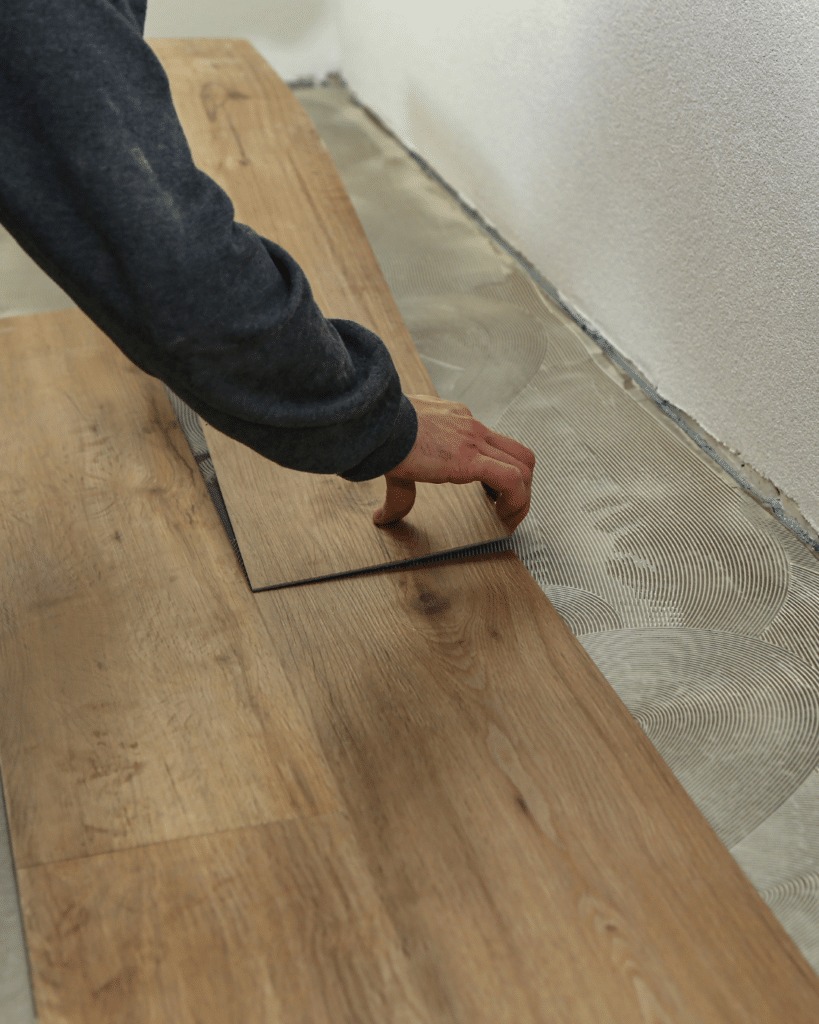
1. Luxury Vinyl Plank (LVP): Best Overall Choice
If you’re comparing basement LVP vs tile vs carpet, LVP often comes out on top—and for good reason.
Why it works:
100% waterproof construction
Handles moisture vapor from concrete
Resists expansion and contraction from temperature swings
Comfortable underfoot compared to tile
Mimics hardwood or stone for a high-end look
LVP is ideal for living areas, bedrooms, rec rooms, and open-concept basement layouts. It balances durability, aesthetics, and low maintenance—making it one of the most popular choices for a Basement Remodel in Loveland.
Things to consider:
Requires proper subfloor prep and moisture barrier
Higher-quality products offer better longevity
2. Tile Flooring: Best for High-Moisture Areas
Tile is one of the most durable and water-resistant materials available.
Best for:
Basement bathrooms
Laundry areas
Wet bars
Pros:
Completely water-resistant
Extremely durable and scratch-resistant
Handles snow, water, and heavy use
Cons:
Can feel cold underfoot (common in basements)
Hard surface may not be ideal for living spaces
Installation can be more labor-intensive
Tile works best when paired with area rugs or radiant heat systems to improve comfort.
3. Carpet: Best for Comfort (With Conditions)
Carpet can still be a good option—but only in the right areas.
Best for:
Home theaters
Guest bedrooms
Playrooms
Pros:
Warm and soft underfoot
Helps with sound absorption
Budget-friendly
Cons:
Vulnerable to moisture and mold
Needs immediate replacement if water damage occurs
Not ideal for high-moisture zones
For basement use, choose moisture-resistant padding and ensure proper waterproofing is already in place.
4. Laminate Flooring: Budget-Friendly Alternative
Laminate is often considered in basement flooring comparisons for damp areas, but it must be used carefully.
Pros:
Affordable
Wide range of styles
Easy to install
Cons:
Core materials can swell if exposed to moisture
Not fully waterproof like LVP
Laminate can work in dry basements when paired with a quality vapor barrier, but it’s not the safest option for areas prone to moisture.
5. Specialty Options (Gyms & Utility Spaces)
For more functional basement zones, specialty flooring may be the better choice:
Epoxy coatings: Seamless, waterproof, ideal for workshops or storage
Rubber flooring: Great for home gyms and impact resistance
These aren’t typically used in living spaces but are excellent for targeted functionality.
Flooring Options to Avoid in Basements
Not every flooring type is suitable for below-grade environments.
Avoid:
Solid hardwood: Prone to warping and moisture damage
Unsealed natural stone: Can absorb moisture and stain
Low-quality laminate: Easily damaged by even minor water exposure
Choosing the wrong flooring can lead to costly repairs and shorten the lifespan of your basement remodel.
Key Installation Factors That Impact Performance
Even the best flooring will fail if it’s not installed correctly. For any Basement Finishing Loveland CO project, proper preparation is critical.
Moisture Barriers
Concrete naturally releases moisture. A vapor barrier is essential before installing LVP, laminate, or engineered materials.
Subfloor Preparation
Uneven or unsealed concrete can cause flooring to shift or degrade over time.
Insulation & Comfort
Basement floors are naturally cooler. Insulated subfloors or area rugs can improve comfort significantly.
Climate Considerations
Colorado’s altitude and temperature swings can affect expansion and contraction. Materials like LVP perform better under these conditions due to their stability.
Choosing the Best Basement Flooring for Your Lifestyle
The right flooring depends on how you plan to use your space.
Entertaining / Living Space: LVP for durability and aesthetics
Home Theater / Bedroom: Carpet for comfort and sound control
Gym / Utility Area: Rubber or epoxy for performance
A well-designed basement often uses a combination of materials to match each zone’s function.
Work with Experts Who Understand Basement Conditions
At Discount Decor, we don’t just install flooring—we help you choose the right materials based on your basement’s conditions, layout, and long-term goals.
Whether you’re planning a full Basement Remodel in Loveland or updating your flooring as part of a larger Basement Finishing Loveland CO project, our team ensures:
Proper moisture control before installation
Expert material recommendations
Professional installation that meets building standards
A finished space that looks great and lasts
Contact Discount Decor today to schedule your free consultation and explore flooring solutions designed specifically for Colorado basements.
Frequently Asked Questions
1. What is the best basement flooring for damp areas?
Luxury vinyl plank (LVP) is one of the best options because it is fully waterproof and handles moisture better than most materials.
2. Is tile better than LVP for basement flooring?
Tile is more water-resistant, but LVP is warmer and more comfortable for living spaces. Many basements use both in different areas.
3. Can I install carpet in a basement?
Yes, but only in low-moisture areas and with proper waterproofing and moisture-resistant padding.
4. Do I need a vapor barrier under basement flooring?
Yes. A vapor barrier helps prevent moisture from damaging your flooring and is essential for long-term durability.
5. What flooring should I avoid in a basement?
Solid hardwood and low-quality laminate should be avoided because they are highly sensitive to moisture and can warp or swell.